
According to a 2025 study by Backlinko, the website holding the #1 spot in Google search results gets about 39.8% of all clicks, while the second and third places lag far behind. That’s a massive gap—and it shows just how much power search rankings hold. But here’s the thing: getting to that first page isn’t luck or coincidence. It comes down to understanding and applying SEO the right way. And within SEO, two terms always pop up that confuse beginners and even some business owners: On-Page SEO and Off-Page SEO.
So, if you’ve ever found yourself wondering “What is On-Page SEO and Off-Page SEO, and which one should I focus on first?”—you’re in the right place. Both strategies play different but equally important roles in helping your site climb search results, attract visitors, and actually keep them engaged once they land on your page.
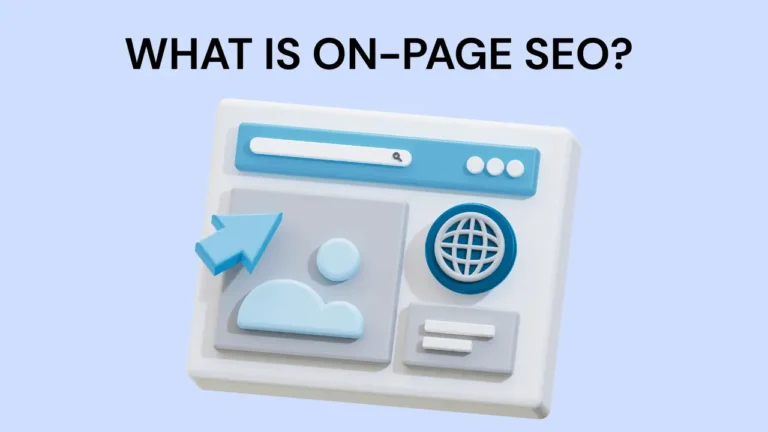
Let’s break it down. On-Page SEO is basically everything you can tweak or control on your own website to make it easier for Google (and your visitors) to understand. When someone asks, “What is On-Page SEO?” the On-Page part usually comes down to a few core things:
In short, On-Page SEO is like setting up your shop window. It tells search engines, “Hey, here’s what this page is about,” while also making sure real people stick around instead of clicking away. Without it, even the best Off-Page strategies won’t help much.
On-Page SEO is important because it acts as the foundation of your entire search strategy. Search engines like Google crawl your website to figure out what each page is about, and if your site isn’t optimized, they struggle to understand and rank it properly. Strong On-Page SEO makes your content clear, structured, and relevant, which directly improves your chances of showing up higher in search results.
It’s not just about search engines either—it’s also about people. A website that loads quickly, has clear titles, uses proper headings, and organizes information in a logical way is simply easier to navigate. When visitors find what they’re looking for without frustration, they stay longer, click deeper into your site, and are more likely to trust your brand.
Without solid On-Page SEO, even the best Off-Page strategies like backlinks or social shares won’t deliver lasting results. Google pays attention to how users behave on your site—if they bounce immediately because your content is messy or slow, rankings drop. That’s why On-Page SEO is often described as the “core” of SEO. You can’t skip it, and you definitely can’t outsource its role to Off-Page efforts.
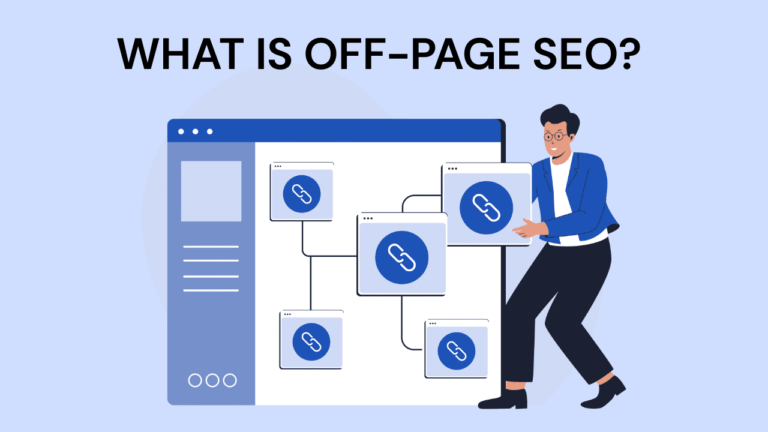
Off-Page SEO is everything that happens outside your website but still affects your ranking. You can’t directly control it in the same way, but you can influence it.
So, what does Off-Page SEO really mean?. At its core, Off-Page SEO is about authority. Search engines look at how many other websites link back to yours, how often your brand is mentioned, and how people talk about you online. These signals help Google decide whether your content deserves a top spot or not.
Some of the main Off-Page SEO strategies include:
Off-Page SEO is crucial because it tells search engines that your website isn’t just claiming to be valuable—it’s being validated by others. The more quality endorsements you get from outside sources, the more Google sees you as an authority in your niche.
In simple terms: On-Page SEO makes your site understandable, while Off-Page SEO makes your site credible. You need both for real, long-term rankings.
Off-Page SEO Strategies for Small Businesses
Google doesn’t just care about what you say about yourself. It wants proof. Backlinks, mentions, and signals act like reviews. The more positive endorsements you get from other sites, the higher Google is willing to rank you.
Here’s the important thing if you focus only on Off-Page SEO, you’ll probably hit a ceiling. Because when users do click through, if your On-Page experience sucks, they bounce—and Google notices. That’s why, whenever someone asks “What is On-Page SEO and Off-Page SEO?” I make sure they understand one isn’t better than the other. You need both, plain and simple.
So now that we’ve covered both sides, how exactly do On-Page SEO and Off-Page SEO compare? The easiest way to think about it is this:
Which one should come first? Always start with On-Page SEO. If your site is messy, slow, or confusing, then no amount of backlinks will save it. Once your foundation is strong, Off-Page SEO acts as the fuel that pushes your rankings higher.
In reality, you can’t choose one over the other. Search engines want a balance. On-Page SEO ensures your site communicates clearly, while Off-Page SEO builds the trust that convinces Google to promote you.
A lot of beginners jump into SEO with excitement but quickly trip over avoidable mistakes. When people ask “What is On-Page SEO and Off-Page SEO, and how do I get started?”, the truth is—it’s usually not about knowing the theory, but about avoiding these common pitfalls.
And here’s one I see all the time: giving up too soon. SEO takes time. If you’re asking, “What On-Page SEO and Off-Page SEO going to do for me in 2 weeks?” you’re asking the wrong question. Think months, not days.
Want Us To Handle Your SEO?
We’re here to help! Get a free consultation and we’ll answer all your SEO questions personally- UpCrawlMedia
To get the best out of SEO, you need a balance of both On-Page and Off-Page efforts. Here are some simple but effective practices:
For On-Page SEO:
For Off-Page SEO:
The trick is not to overcomplicate things. SEO is a long game, and progress comes from small, consistent actions. When you keep your On-Page solid and build authority through Off-Page, your site naturally grows in visibility and trust over time.
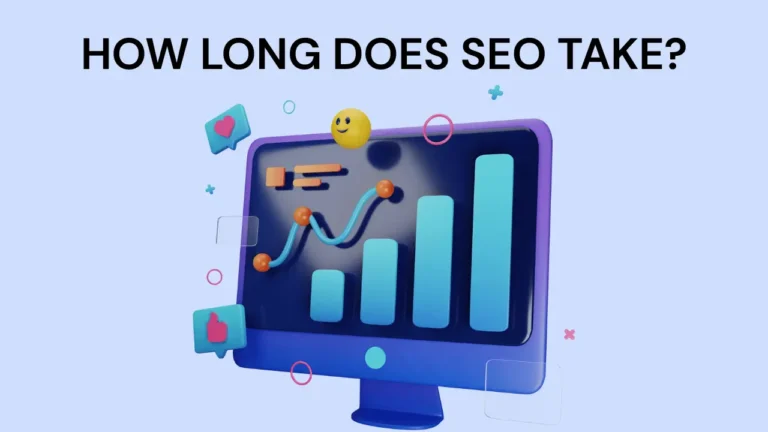
This is probably the question everyone wants answered, and honestly, I get it—I asked the same thing when I started. The truth? SEO isn’t an overnight fix. It’s more like planting a tree than flipping a switch.
Most sites start to notice small improvements in 3 to 6 months if they’re consistent with good On-Page and Off-Page SEO. Things like slightly better rankings, more clicks, or longer time on page. But to see real growth—the kind where your site holds steady on page one—it usually takes closer to 6 to 12 months (sometimes even longer in competitive industries).
Factors that influence how fast you’ll see results include:
So, to be fair—it’s not instant. If someone promises you “page one rankings in just a week,” it’s usually a scam or a trick that won’t last. Real SEO takes time, but here’s the good part: once it starts working, the benefits stick around. Unlike paid ads that vanish the moment you stop paying, SEO keeps paying you back over the long run.
At the end of the day, SEO isn’t about choosing between On-Page or Off-Page—it’s about using both together. On-Page SEO makes sure your site is clear, easy to read, and friendly to both users and search engines. Off-Page SEO builds your site’s reputation and authority in the wider web.
The journey isn’t quick, and that’s the honest truth. But if you stick with it—optimizing your pages, creating content worth sharing, and building genuine connections—results will come. SEO is less about chasing shortcuts and more about stacking small wins that add up over time.
So, if you’re just starting out, don’t get discouraged by the slow burn. Think of SEO as an investment that grows with consistency. Begin with the basics, keep learning, and balance both sides of the equation—because that’s where the real magic happens.
